The Final Stage of Biopharmaceutical Manufacturing: Inside Celltrion’s Drug Product (DP) Process
2026.07.29
The innovative value of biopharmaceuticals can only be fully realized when they are reliably supplied to patients. Therefore, it is essential for global pharmaceutical and biotech companies to maintain manufacturing facilities that comply with Good Manufacturing Practice (GMP) standards and meet the stringent requirements set by regulatory authorities worldwide.
In step with its rapidly expanding product portfolio, Celltrion is proactively strengthening its manufacturing capabilities. Here, we take a closer look at the drug product (DP) process, where drug substances (DS) are transformed into final drug products before reaching patients, and explore the competitive advantages that set Celltrion apart.
| What is the Drug Product (DP) Process?
The DP process involves formulating DS, filling it into containers, and packaging it in its final form for commercial distribution. First, the drug substance—consisting of purified antibody proteins obtained by removing impurities from the cell culture fluid—is formulated with a buffer solution for injection that helps maintain the product’s stability and efficacy. The formulated drug substance is then passed through a sterilizing-grade filter and filled into washed and sterilized vials in a cleanroom. Depending on the product, additional steps such as lyophilization (freeze-drying) and capping are performed to produce the final drug product.
The DP process consists of the following steps: Vial Washing → Filling → Lyophilization → Capping → Labeling and Cartoning.
Vial Washing
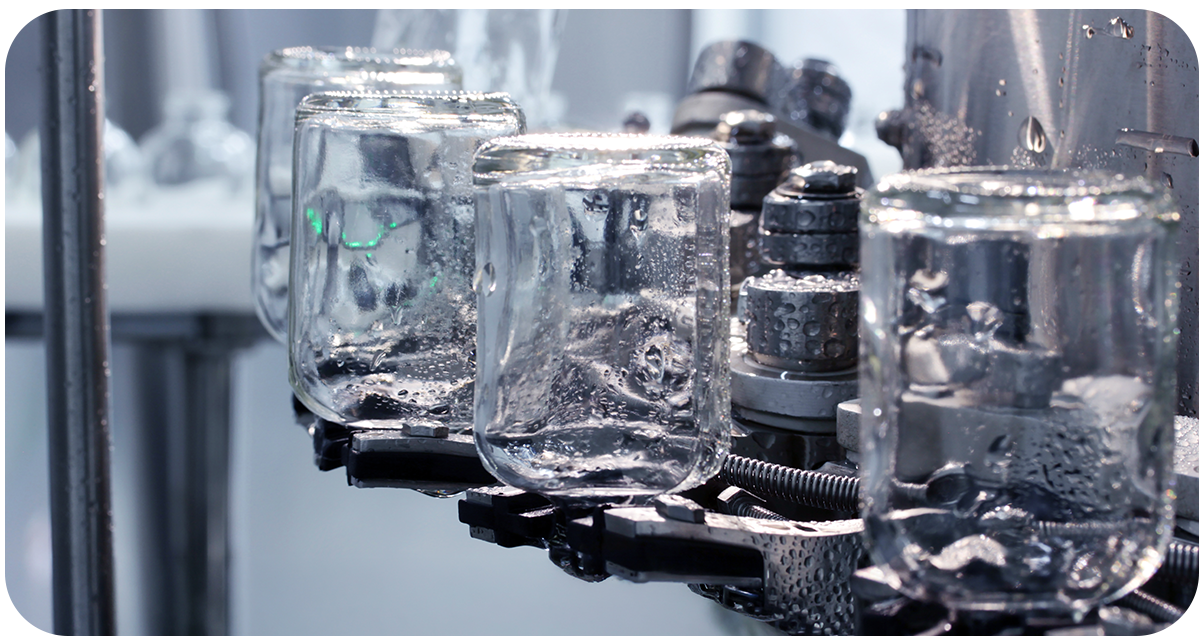
Vials are washed with Water for Injection (WFI) in a vial washer and then sterilized and depyrogenated in a high-temperature depyrogenation tunnel operating above 300°C.
Filling
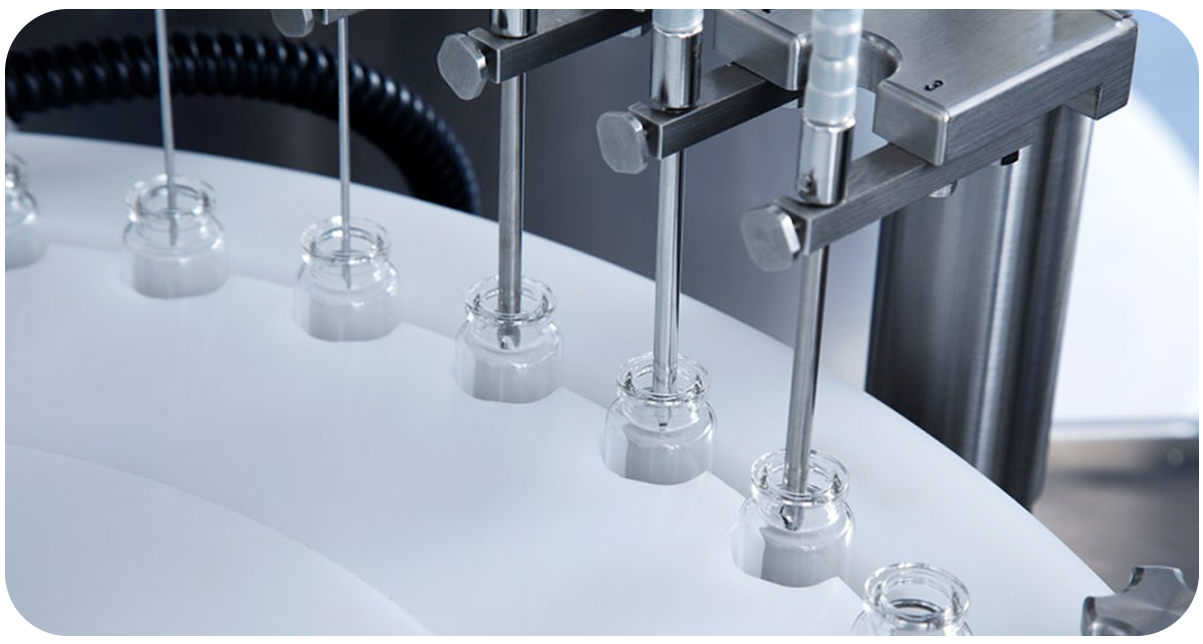
The cleanroom (aseptic area) in which the drug substance is filled must meet the following requirements:
- Protection from external contamination
- Assurance of sterility throughout the filling process
- Capability for environmental monitoring
Under these controlled cleanroom conditions and within restricted access barrier systems (RABS), the formulated drug solution is filled into sterilized vials using automated filling equipment. All vials are weighed before and after filling to verify fill volume accuracy and ensure process consistency. The filling process is completed by inserting a sterile rubber stopper into each vial.
Lyophilization (Freeze-Drying)
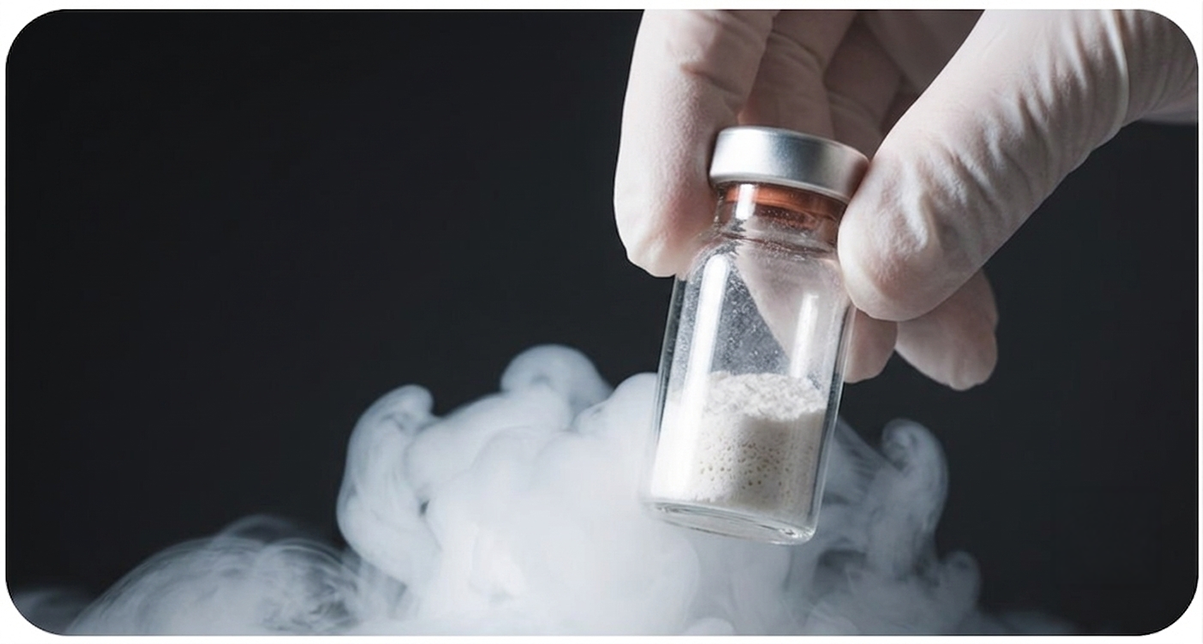
Certain products require lyophilization depending on their specific characteristics. Lyophilization removes moisture from the liquid drug product, enhancing its stability while preserving its efficacy and sterility. Using a custom-engineered lyophilization system, vials filled with the formulated drug solution are frozen at approximately −50°C and then undergo primary drying (sublimation) and secondary drying under vacuum to produce a lyophilized drug product.
Capping
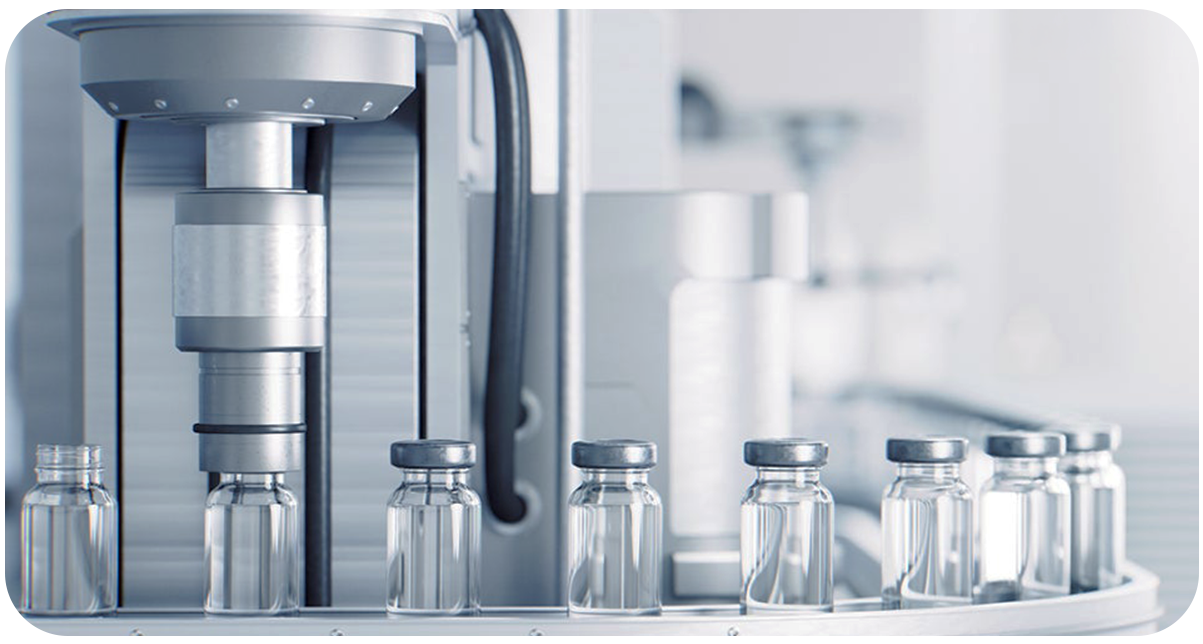
As with the filling process, capping is performed under strictly controlled cleanroom conditions and within RABS to prevent external contamination. To ensure container closure integrity, a gamma-sterilized aluminum cap is crimped onto each rubber-stoppered vial.
Labeling and Cartoning
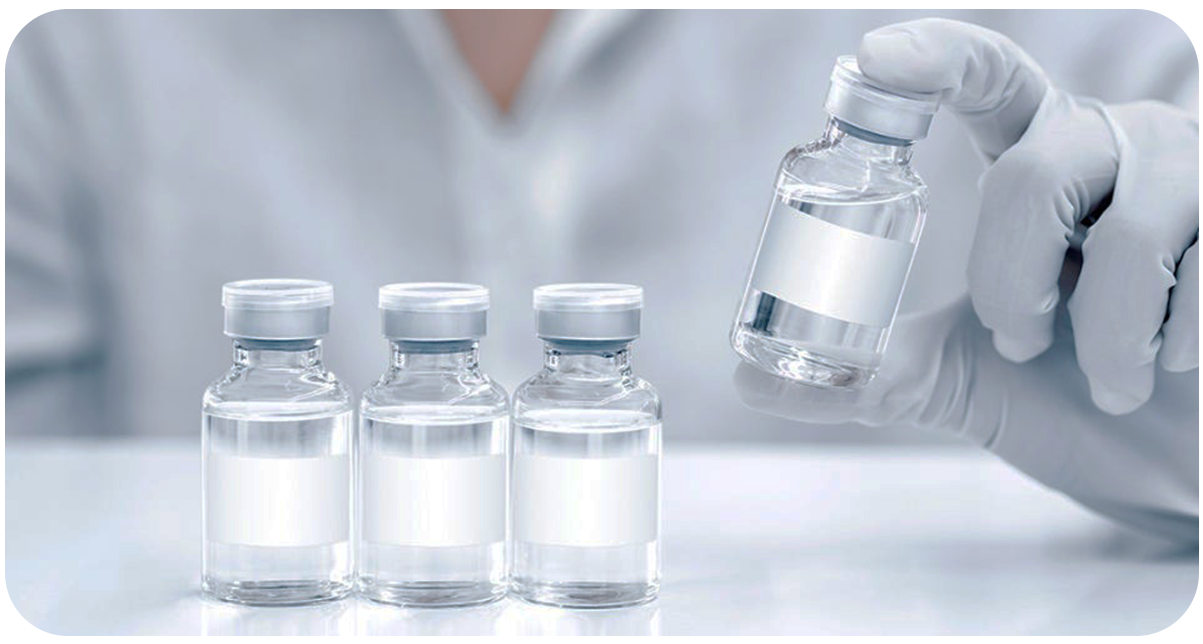
Once visual inspection is complete, labels containing product information are applied to the vials, which are then packaged into cartons together with package leaflets. The packaging process consists of carton printing, labeling, cartoning, and weight verification.
First, product information—including the batch number, expiration date, and date of manufacture—is printed on the cartons using a carton printer. Labels containing product information are then printed and affixed to the vials. Next, the labeled vials are packaged into cartons together with package leaflets, either automatically using a cartoner or manually by operators, depending on the product. Finally, each carton is weighed to verify that all required components, including the vial and package leaflet, have been included.
| Celltrion’s Drug Product Capabilities
Celltrion’s drug product manufacturing facilities operate in accordance with stringent global cGMP standards. Celltrion’s drug product facility was the first biopharmaceutical manufacturing facility in Korea to gain U.S. FDA approval for cGMP manufacturing. Since then, Celltrion has continued to meet global regulatory requirements for GMP compliance, facility design, equipment operation, and production management, maintaining a strong track record of reliable drug product manufacturing.
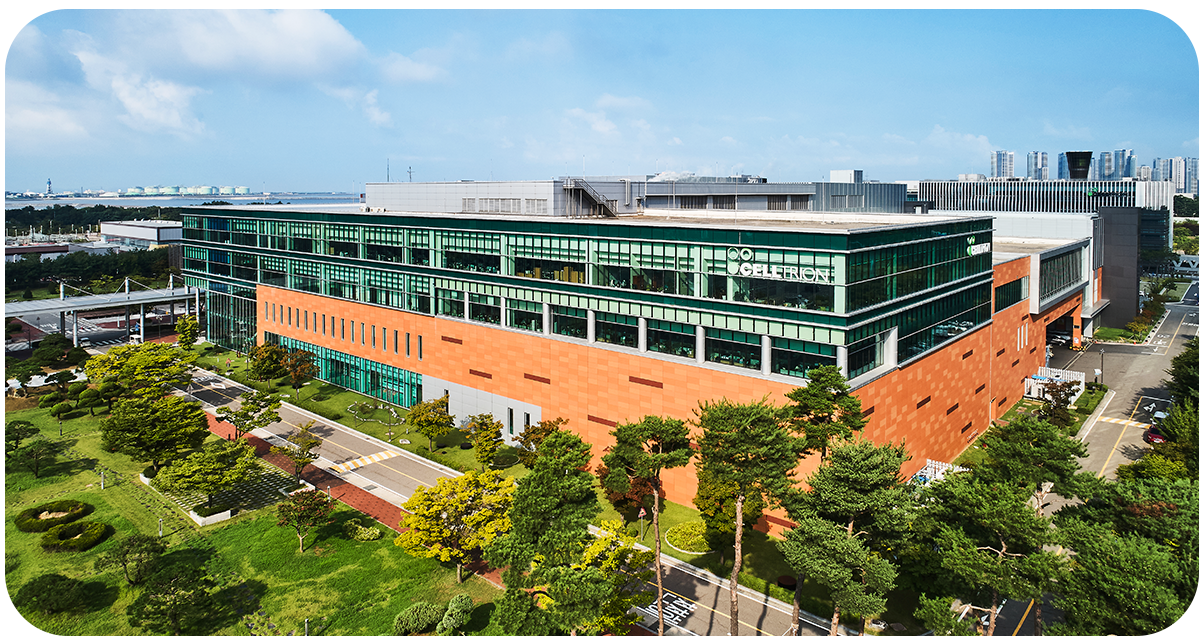
At its manufacturing sites, Celltrion maintains stable levels of equipment utilization and productivity, supported by its expertise in managing the production of biopharmaceuticals with diverse fill volumes, concentrations, and physical characteristics. Through precise process control, Celltrion achieves yields at or above planned levels.
Furthermore, Celltrion is building a robust framework for validating new drug products, drawing on accumulated process data and technical insights to complete validation on schedule and in compliance with regulatory requirements.
| The Advantages of an Integrated Manufacturing System: From DS to DP
At its Songdo Campus, Celltrion operates an integrated manufacturing system covering the entire process from drug substance to drug product at a single site, giving the company a distinct competitive edge.
Rapid Troubleshooting
Celltrion’s integrated manufacturing and quality systems ensure consistency across the entire manufacturing process, from drug substance to drug product. If an issue arises during drug product formulation, its potential causes can be promptly investigated by tracing the issue back through the DS manufacturing process, helping prevent recurrence.Minimizing Product Contamination
Because there is no need to transport drug substance to a separate drug product manufacturing facility, the potential risks of physical contamination and damage during transit are eliminated.Reducing Cold-Chain Transportation Costs
By significantly reducing cold-chain air freight and logistics costs, which are essential for transporting biologics, Celltrion helps alleviate the financial burden on patients.- Flexible and Reliable Supply
Celltrion can strategically adjust drug product production schedules and volumes in line with market demand, enabling the company to respond flexibly to sustained increases in demand while maintaining a reliable supply.
| Securing a Reliable Supply Chain: Expanding DP Manufacturing Capacity
Celltrion continues to make proactive investments to ensure a reliable supply chain for its global portfolio of biosimilars and innovative medicines.
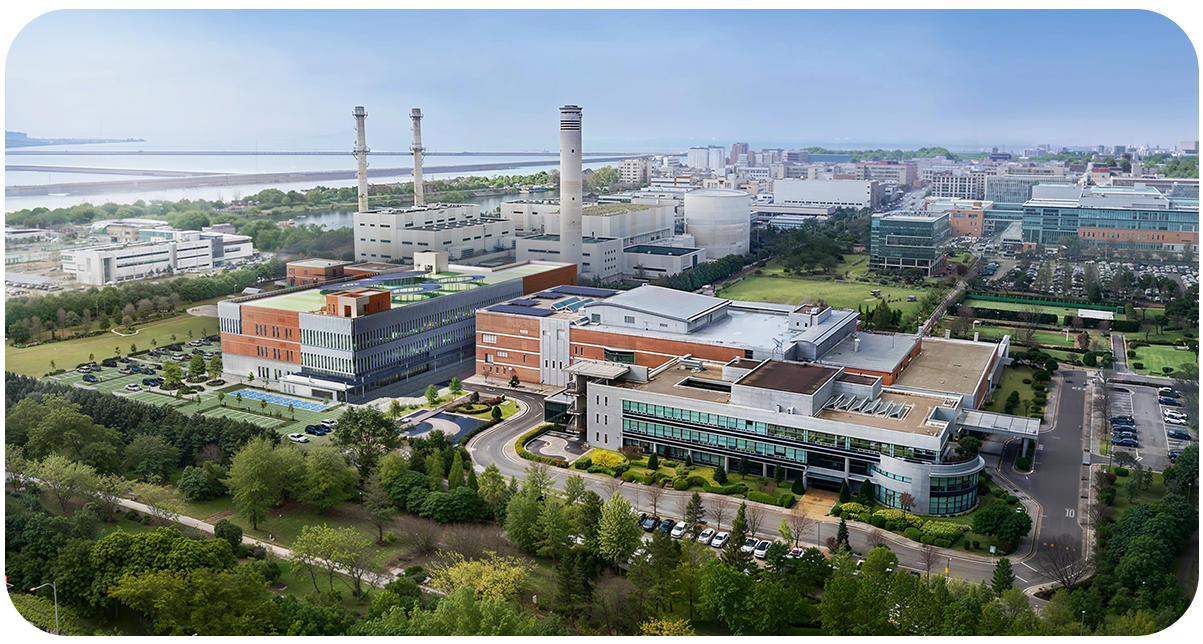
In February 2025, Celltrion received approval to begin construction of a new drug product manufacturing facility. Construction is now underway on a site adjacent to Plant 1 at the Songdo Campus.
Once completed, the new facility will be able to produce an additional 8 million vials annually. This will triple the Songdo Campus’s annual drug product capacity to 12 million vials, in addition to its drug substance manufacturing capacity of 250,000 liters. The new facility will feature advanced automated manufacturing processes and is expected to deliver a significant improvement in production efficiency, reaching approximately 1.8 times the level achieved by the existing facility.
Celltrion’s global competitiveness is rooted in its extensive expertise gained on the manufacturing floor and unwavering commitment to rigorous quality standards. With an integrated manufacturing system spanning the entire process from drug substance to drug product, Celltrion remains committed to ensuring a reliable supply of biologic medicines to patients worldwide.