Celltrion’s Biopharmaceutical and Antibody Therapeutics Development Expertise: Our Distinct Strengths
2026.05.29
Biopharmaceuticals are medicinal products developed using substances derived from living organisms—such as cells, tissues, and hormones—with antibody therapeutics serving as a prime example. Because they are manufactured from biological sources, biopharmaceuticals exhibit lower systemic toxicity compared to chemically synthesized small-molecule drugs. Furthermore, they target specific disease mechanisms, offering the potential to treat the root causes of illnesses. Driven by these distinct advantages, the global biopharmaceutical market continues to experience remarkable growth year after year.
Today, we invite you to explore the unique characteristics of biopharmaceuticals and the competitive strengths of Celltrion, the pioneer behind the world’s first monoclonal antibody biosimilar.
| What are Biopharmaceuticals?
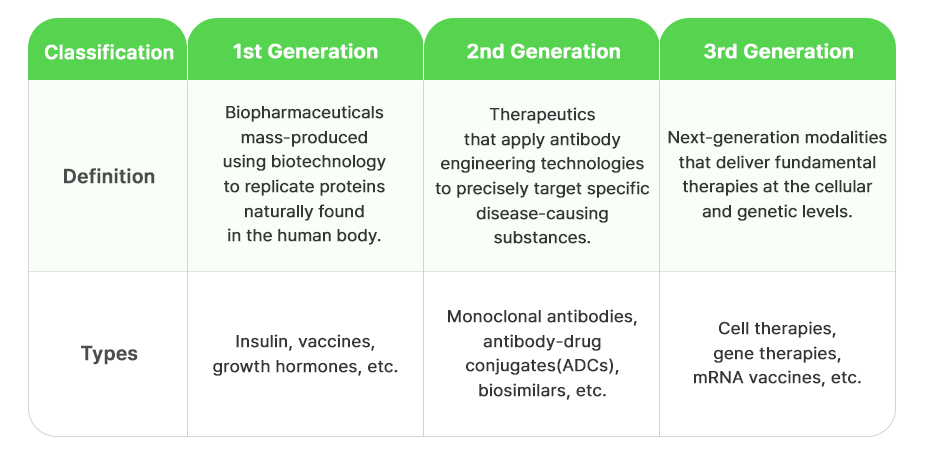
▲ Types of Biopharmaceuticals
The term “biopharmaceutical” (or biologic) refers to medicines manufactured using substances derived from humans or other living organisms, as well as raw materials produced through biological processes.
This broad category includes first-generation biologics such as vaccines and recombinant DNA therapeutics, including insulin and hormones; second-generation biologics such as cell culture-derived therapeutics, including monoclonal antibodies; and third-generation biologics, including Advanced Therapy Medicinal Products (ATMPs) such as cell and gene therapies.
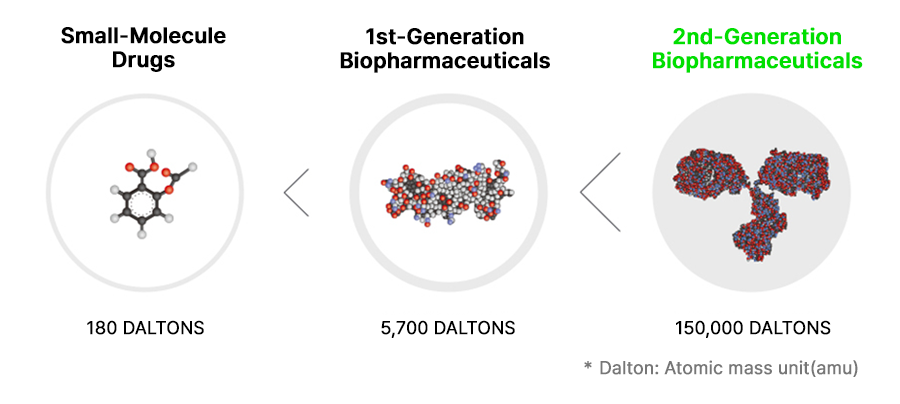
Biopharmaceuticals possess large and highly complex macromolecular structure compared to conventional small-molecule drugs. While chemically synthesized drugs typically have a molecular weight of less than 500 Daltons, biopharmaceuticals feature sophisticated structures ranging from several thousands to hundreds of thousands of Daltons.
Because they utilize substances derived from living organisms, biopharmaceuticals generally exhibit lower toxicity and pose a lower risk of side effects compared to chemically synthesized medicines.
Moreover, due to their highly precise mechanisms of action, they are widely utilized as personalized targeted therapies or treatments for rare and intractable diseases that have long been difficult to address with conventional therapies.
| Antibody Therapeutics: Unlocking the Power of the Immune System
Currently, antibody therapeutics represent the largest segment of the global biopharmaceutical market.
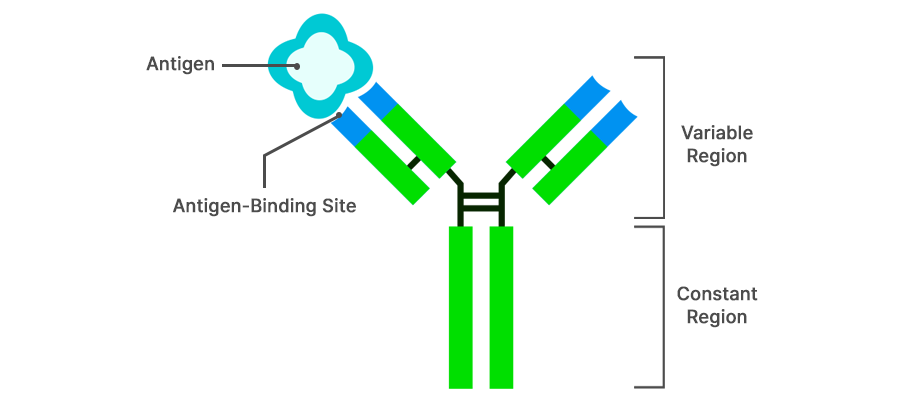
When antigens—such as viruses or bacteria—invade the body, the immune system identifies them and generates protective proteins known as "antibodies." Antibodies recognize distinct characteristics of an antigen, enabling the immune system to respond quickly and effectively if the same antigen invades again.
Furthermore, antibodies possess high specificity, binding selectively to particular antigens. Leveraging this unique property, antibody therapeutics are engineered to bind specifically to disease-causing antigens, thereby maximizing therapeutic efficacy while minimizing side effects.
| Key Mechanisms of Action (MoAs) of Antibody Therapeutics
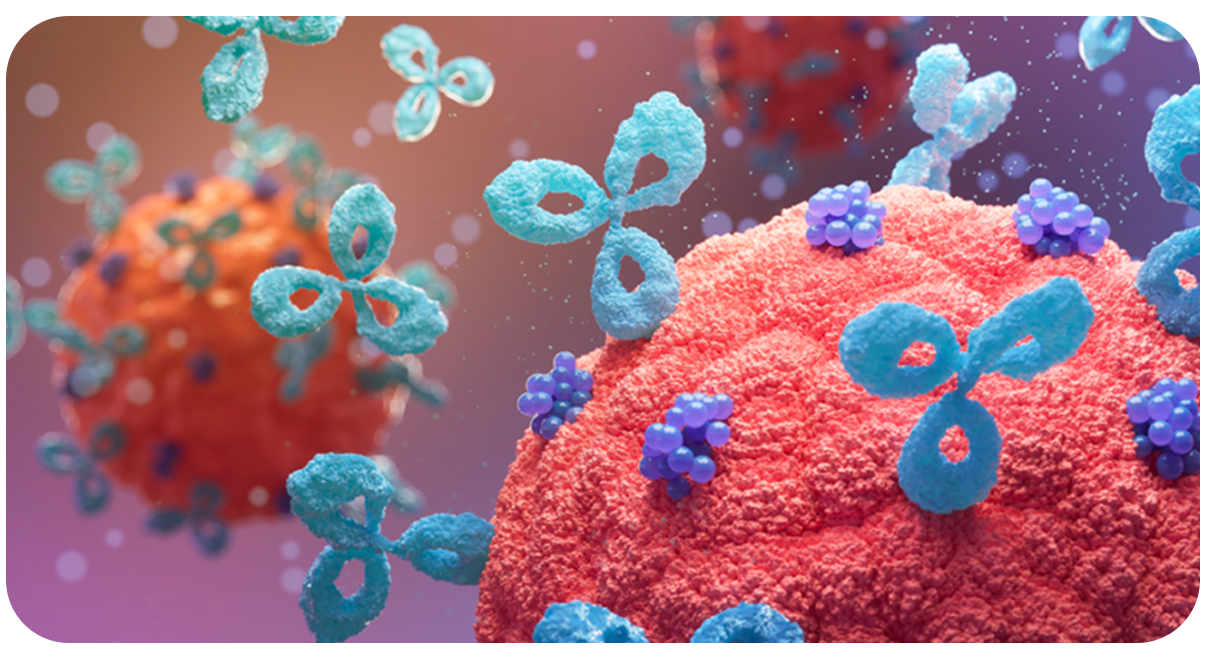
- Neutralization: Antibodies bind directly to antigens—such as viruses or bacteria—to neutralize their infectivity or suppress substances that trigger excessive immune responses.
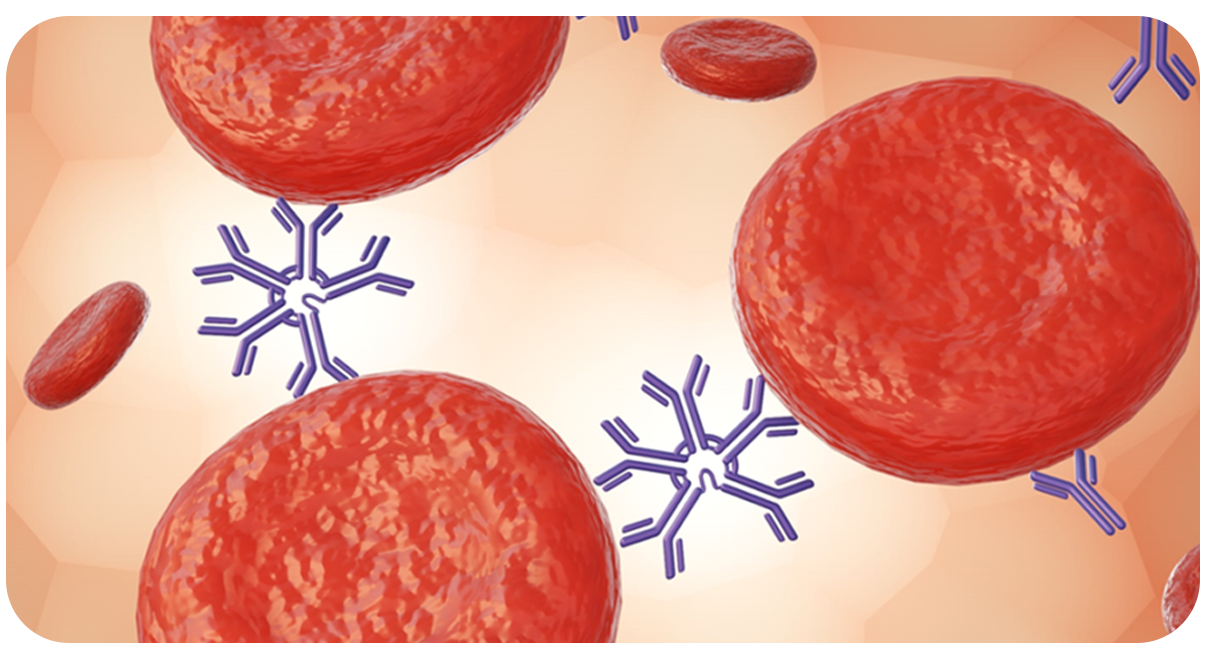
- Agglutination: Antibodies induce antigens to clump together, enabling immune cells such as macrophages to more easily recognize and eliminate them.
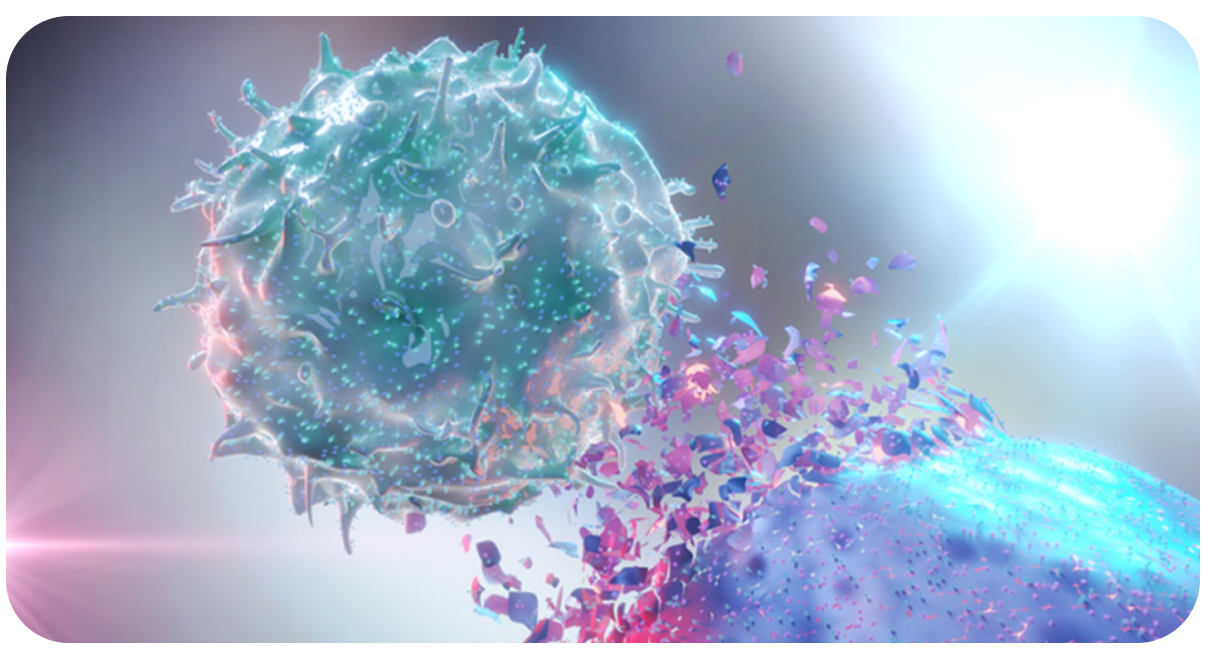
- Antibody-Dependent Cellular Cytotoxicity (ADCC): When antibodies bind to target antigens—such as cancer cells—effector immune cells, including Natural Killer (NK) cells and T cells, are triggered to recognize and directly destroy the abnormal cells.
| Celltrion’s Advanced Capabilities in Antibody Therapeutics
Antibody therapeutics were long considered difficult to replicate due to their highly complex molecular structures. However, Celltrion overcame the high barriers to entry in the global biopharmaceutical market by successfully developing Remsima®, the world’s first monoclonal antibody biosimilar. Since then, Celltrion has continued to build deep expertise in antibody biosimilars through the successful development of products including Herzuma® and Truxima®.
Building on this accumulated expertise, Celltrion is now expanding its R&D capabilities beyond biosimilars into next-generation therapeutics with the launch of innovative biologic therapies such as Zymfentra® and Regkirona®.
More recently, Celltrion has further strengthened its capabilities as a novel drug developer, exemplified by several of its next-generation pipeline candidates—including ADC candidates—receiving FDA Fast Track designations.
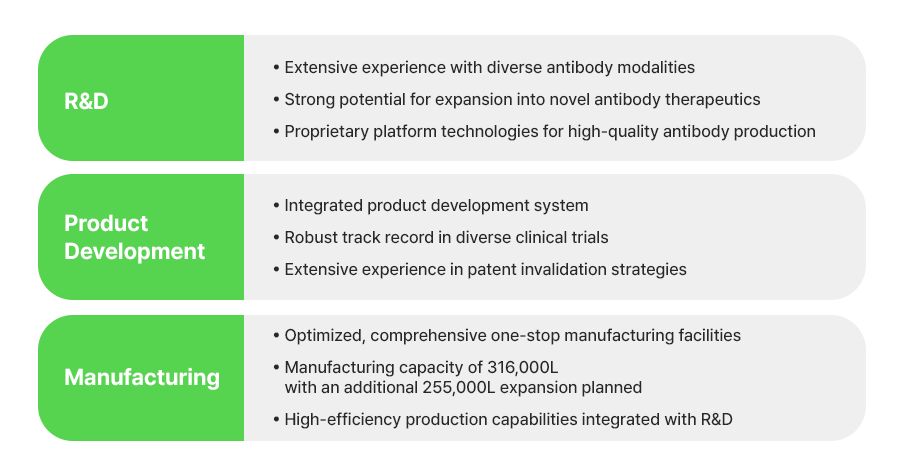
Celltrion’s growth is anchored in the following distinct capabilities:
Proprietary Platform Technology: Through the development of HI-CHO®, our proprietary cell line development platform designed to enhance antibody protein yield, Celltrion has secured both productivity and stability.
Integrated Expertise: Celltrion has built extensive experience across the entire clinical development and regulatory approval process through the successful launch of 11 antibody biosimilars and two innovative biologic therapies.
Large-Scale Production Infrastructure: With manufacturing facilities totaling 316,000 L in capacity, Celltrion is able to ensure efficient product supply.
- R&D-Integrated Process Optimization: Celltrion optimizes the entire manufacturing process —from cell line development to cultivation and purification—and continuously enhances its manufacturing capabilities through technology transfer.
| The Future and Scalability of Antibody Therapeutics: ADCs and Bispecific Antibodies
Antibody therapeutics are entering their third golden age, driven by advances in antibody engineering technologies. These technologies involve discovering highly specific antibodies against target antigens and engineering them into advanced therapeutics. Representative examples of antibody engineering technologies include ADCs and bispecific antibodies.
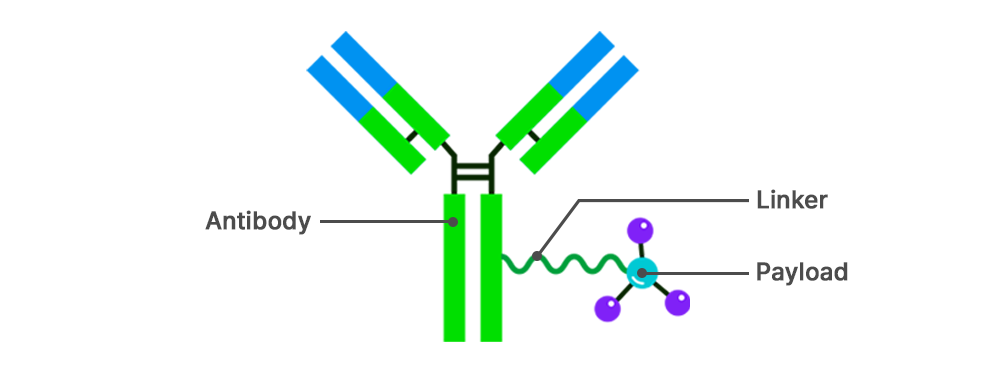
Antibody-Drug Conjugates (ADCs): Precision-Guided Therapies for Cancer
ADCs are an advanced therapeutic modality that combines monoclonal antibodies with highly potent cytotoxic payloads to selectively target and destroy cancer cells.
Conventional chemotherapy often causes severe side effects by indiscriminately damaging healthy cells. In contrast, ADCs leverage the targeting ability of antibodies to deliver high concentrations of therapeutic payloads directly to cancer cells.This approach minimizes damage to healthy tissues and can significantly improve patients’ quality of life. As a result, ADCs are gaining attention as a promising new treatment option, particularly for patients who have developed resistance to existing cancer therapies.
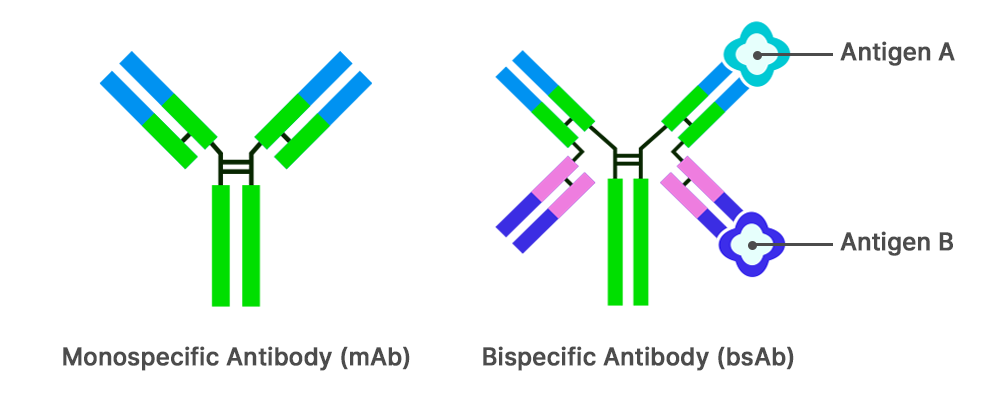
Bispecific Antibodies: Activating Immune Cells While Overcoming Resistance
Bispecific antibodies are next-generation antibody therapeutics engineered to bind to two different antigens simultaneously.
This technology physically bridges cancer cells and T cells, enabling the immune system to rapidly recognize and destroy tumor cells. Even when cancer cells develop resistance by blocking a specific pathway, bispecific antibodies can continue targeting tumors through alternative mechanisms.
As a result, bispecific antibodies can reduce the need for separate combination therapies, simplifying treatment approaches and administration. They are also demonstrating meaningful clinical benefits in patients with refractory cancers where conventional monoclonal antibody therapies have shown limitations.
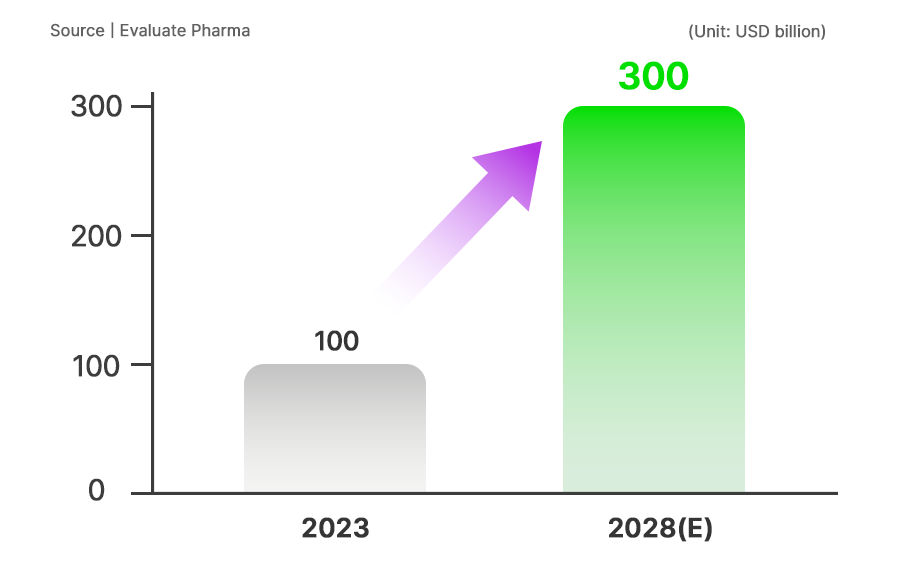
▲ Global ADC Market Forecast
The market outlook for these next-generation therapeutics is highly promising. According to the global pharmaceutical market research firm Evaluate Pharma, the global ADC market is projected to more than triple from approximately USD 10 billion in 2023 to around USD 30 billion by 2028.
The bispecific antibody market is likewise anticipated to experience robust growth, expanding from approximately $8.2 billion in 2023 to nearly $30 billion by 2030.
As a global biosimilar first mover, Celltrion will leverage its extensive expertise in antibody development to advance as a leading innovator in next-generation therapeutics.