Inflammatory Bowel Disease (IBD): A Growing Global Health Challenge and the Evolving Treatment Paradigm Driven by Biopharmaceutical Innovation
2026.05.19
Inflammatory Bowel Disease (IBD) has emerged as a global health challenge that extends beyond specific regions and ethnic groups. Its two main forms—Crohn’s disease and ulcerative colitis—are chronic, difficult-to-treat conditions that require long-term management. As a result, biologic therapies have become a key treatment option for effectively controlling symptoms.
Today, we explore the different types of IBD and treatment options designed with patient convenience in mind.
| Inflammatory Bowel Disease (IBD): A Growing Threat to Gut Health
Once considered more prevalent in Western countries, Inflammatory Bowel Disease (IBD) is now increasing rapidly worldwide. One particularly notable trend is the sharp rise in incidence among young adults in their 20s and 30s, with this age group experiencing faster growth in diagnoses than any other generation.
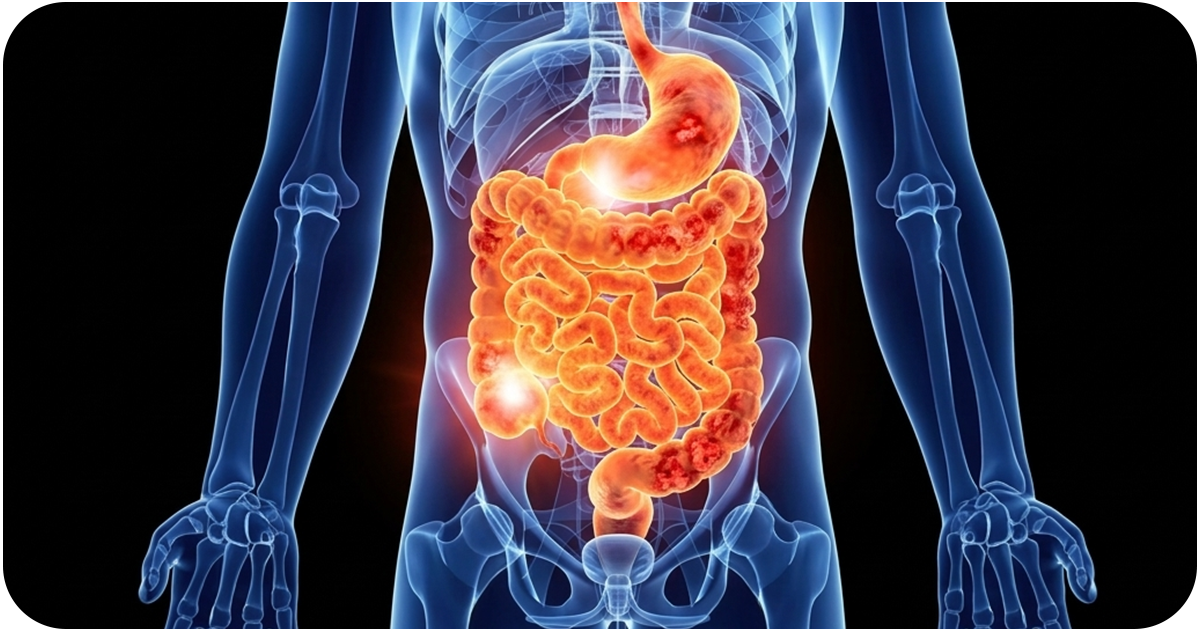
While the exact cause of IBD remains unknown, it is widely believed to involve an immune-mediated inflammatory response triggered by a combination of genetic and environmental factors. In other words, the immune system overreacts to gut bacteria, leading to chronic inflammation.
Initial symptoms—including abdominal pain, diarrhea, vomiting, and weight loss—can easily be mistaken for common gastrointestinal illnesses. However, because timely treatment can significantly affect prognosis, individuals with persistent symptoms should seek an accurate diagnosis from a medical specialist.
| Crohn’s Disease vs. Ulcerative Colitis: Understanding the Key Differences
IBD is primarily classified into Crohn’s disease and ulcerative colitis based on the location and nature of the inflammation.
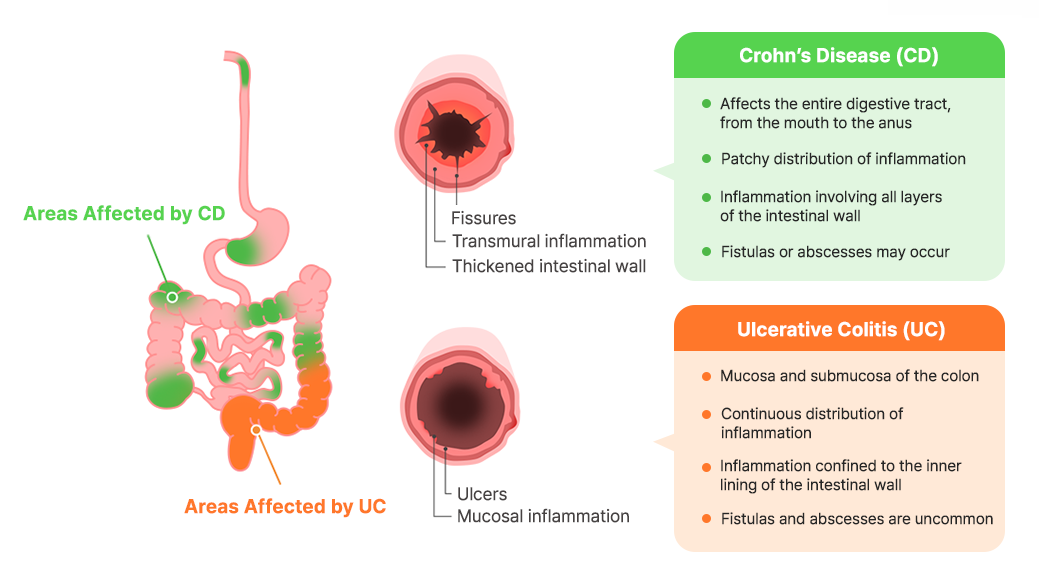
Category | Ulcerative Colitis (UC) | Crohn’s Disease (CD) |
Affected Area | Mucosa and submucosa of the colon | Entire digestive tract, from the mouth to the anus |
Main Symptoms | Bloody stools, diarrhea, fecal urgency, tenesmus (feeling of incomplete evacuation) | Abdominal pain, diarrhea, weight loss, perianal disease |
Key Characteristics | Begins in the rectum and extends proximally | Inflammation penetrates deep into the intestinal wall, potentially leading to complications |
| Diagnosis and Treatment of IBD
Because there is no single test that can definitively diagnose IBD, physicians make a diagnosis based on a comprehensive evaluation of clinical symptoms and diagnostic findings, including blood tests, colonoscopy, CT scans, and MRI scans.
As IBD is a chronic, difficult-to-treat condition, the primary goal of treatment is to achieve and maintain remission—a state in which symptoms are reduced or absent—for as long as possible, enabling patients to maintain normal daily activities.
Treatment options are broadly divided into pharmacological treatment and surgery.
1. Stepwise Pharmacotherapy
Medications are used in a stepwise manner based on the severity and extent of the disease:
- Anti-inflammatory agents (5-ASA): Foundational therapies used to reduce intestinal inflammation, primarily for inducing and maintaining remission in patients with mild disease.
- Corticosteroids: Used short-term for potent anti-inflammatory effects during acute flare-ups; long-term use is avoided due to the risk of side effects.
- Immunosuppressants: Used to regulate the overactive immune responses, often to reduce steroid use or in patients who do not respond adequately to first-line therapies.
- Biologics: Advanced therapies that directly target specific proteins involved in inflammation, such as TNF-α. They are particularly effective in patients with moderate-to-severe disease who do not respond adequately to conventional therapies.
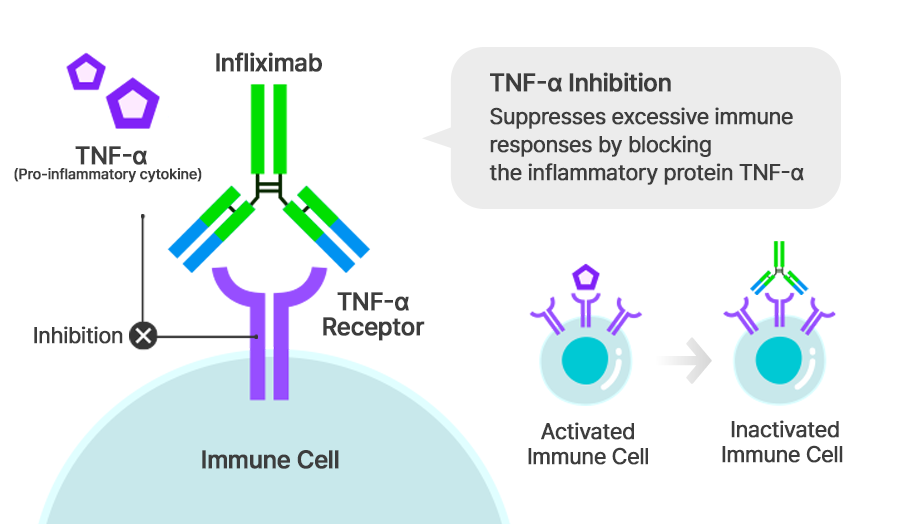
Infliximab, one of the most widely used biologic therapies, is a Tumor Necrosis Factor-alpha (TNF-α) inhibitor. It works by selectively blocking TNF-α from binding to immune cells in the gut. By directly targeting TNF-α, infliximab helps prevent the cascade of inflammatory responses associated with IBD.
2. Surgical Intervention
Surgery is considered when pharmacological treatment is ineffective or when complications such as perforation (a hole in the intestine), stricture (narrowing of the intestinal passage), or severe bleeding occur.
- Ulcerative colitis: Because surgery involves removal of the entire colon, which is the source of inflammation, patients may achieve outcomes close to a cure.
- Crohn’s disease: Surgery typically focuses on removing strictures or severely affected areas of the intestine. However, because the risk of recurrence remains after surgery, ongoing pharmacological management is still required.
| The Evolving Treatment Paradigm Driven by Advances in Biopharmaceutical Technology
Behind these advances in pharmacological treatment are the continuous efforts of biopharmaceutical companies to improve patient access to treatment.
In the past, the high cost of biologic therapies created significant barriers to treatment access. However, the development of biosimilars—which provide comparable efficacy at a lower cost—has helped improve treatment accessibility.

A representative example is Celltrion, which became a pioneer in the global biopharmaceutical market after receiving approval from the European Medicines Agency (EMA) in 2013 for the world’s first monoclonal antibody biosimilar, infliximab.
The introduction of antibody biosimilars provided a new alternative to treatment approaches that had previously relied on originator biologics, marking a turning point in expanding treatment options for patients.
| Innovation in Drug Administration: From Intravenous (IV) to Subcutaneous (SC)
Recent advances in IBD treatment have expanded beyond clinical efficacy to place greater emphasis on patient convenience and quality of life.
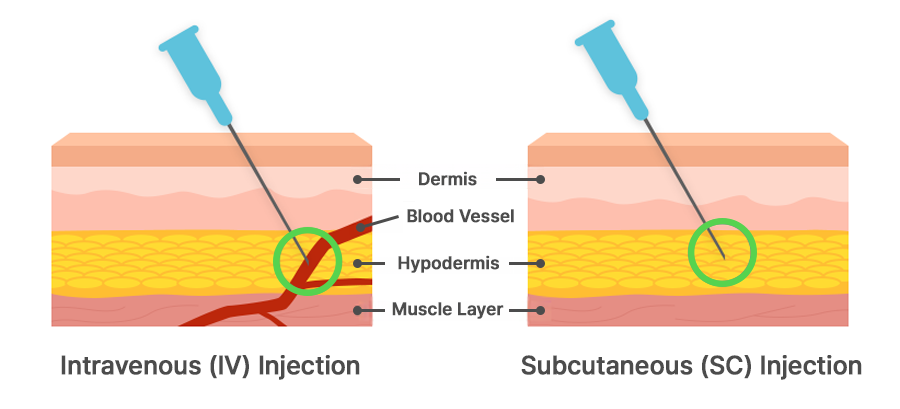
At the center of this shift is the subcutaneous (SC) formulation. Several therapeutic agents, including infliximab, have been developed as SC formulations that patients can self-administer at home, making it easier to balance treatment with daily life.
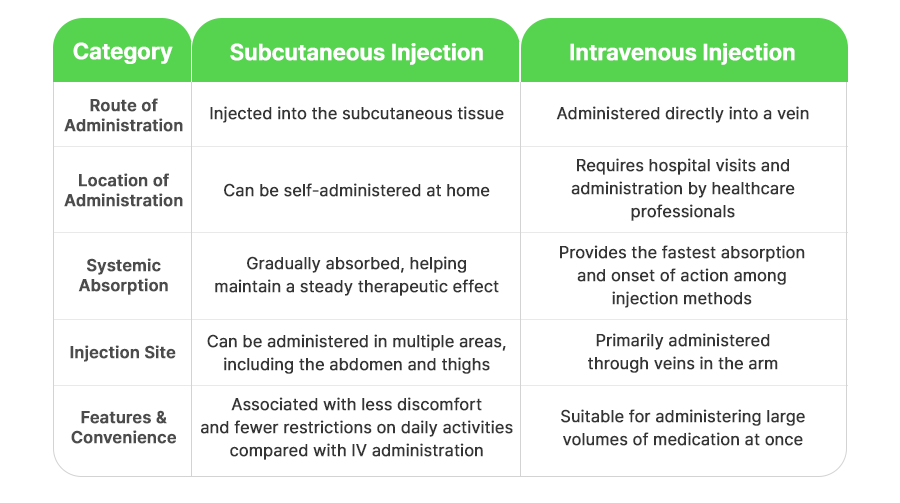
Unlike IV administration, which requires hospital visits and extended waiting times, SC formulation significantly reduces limitations related to the time and location of administration. It can be administered in various areas, including the abdomen and thighs, and its gradual absorption helps maintain stable drug concentrations in the body.
Reflecting this shift in treatment approaches, Celltrion developed an infliximab SC formulation to overcome the limitations of conventional IV administration. In recognition of its clinical efficacy and formulation characteristics, the formulation received separate FDA approval through a stand-alone Biologics License Application (BLA) pathway in 2023.
While IBD requires consistent treatment and careful management, patients can lead full, normal lives with the right treatment strategy and healthy lifestyle habits. Building on its extensive experience and expertise in the global market, Celltrion will continue to provide effective treatment options trusted by patients and healthcare professionals worldwide.