Celltrion and KBIS Launch the First Korea Japan Public-Private Open Innovation Initiative: 2026 KBIC Celltrion Global Scale-Up Program
2026.09.21
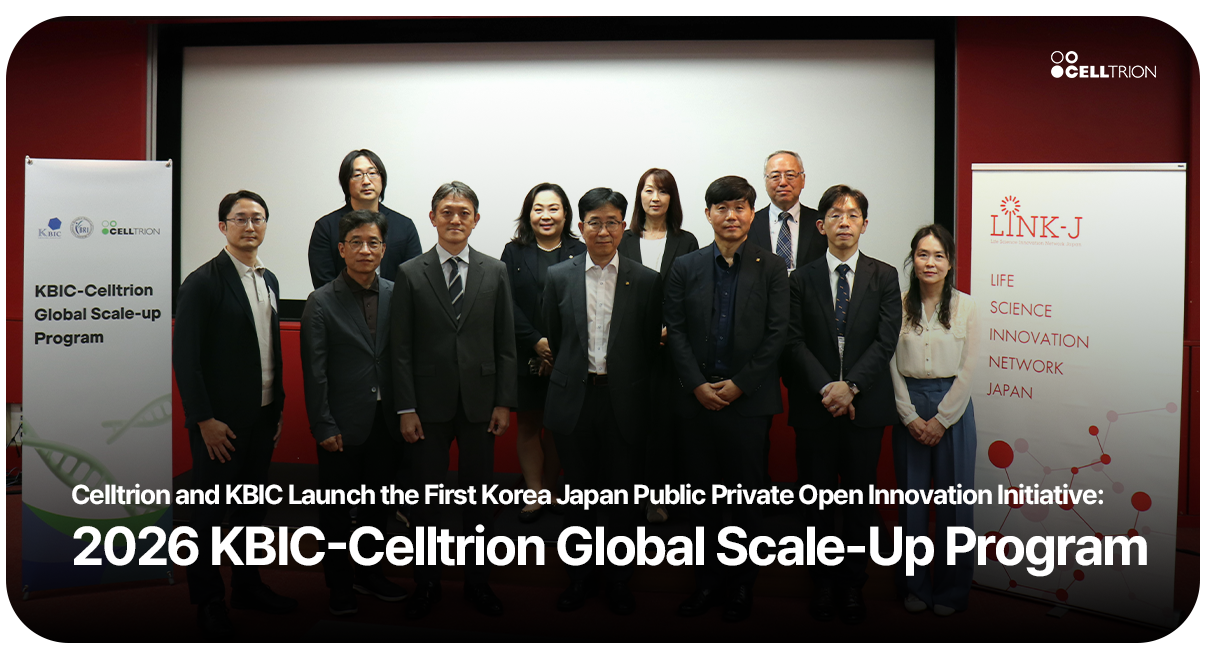
Celltrion has partnered with the Kobe Biomedical Innovation Cluster (KBIC), Japan’s largest biomedical cluster, to support the growth of promising biotech startups. The 2026 KBIC–Celltrion Global Scale-Up Program officially kicked off with an in-person information session held on September 8 at LINK-J in Tokyo. The initiative marks the first Korea–Japan public-private open innovation program jointly designed and operated by a Korean company and a Japanese biomedical cluster.
So, why is Celltrion, a company focused on developing biosimilars and innovative new drugs, supporting Japanese biotech startups? In this article, we take a closer look at how the partnership between Celltrion and KBIC came about, the support each organization will provide, and what lies ahead for the program.
Where Japan’s Research Excellence Meets Celltrion’s Commercialization Expertise
Japan is renowned for its world-class capabilities in basic research, as reflected in the many Nobel laureates the country has produced. The early-stage technologies originating from universities and research institutions are also widely recognized as being among the best in the world. Despite this strong scientific foundation, however, there are still relatively few examples of Japanese startups successfully expanding into global markets on their own.
The Foundation for Biomedical Research and Innovation at Kobe (FBRI), which operates KBIC, has identified this as a key challenge facing Japan’s biotech ecosystem. In seeking a partner that could bridge promising early-stage technologies with global markets, FBRI turned its attention to Celltrion, a leading Korean biopharmaceutical company with proven expertise in bringing innovative technologies to market.
Celltrion itself began as a startup and has since grown into a global biopharmaceutical company. Over the past two decades, the company has built extensive commercialization expertise by managing the entire development journey firsthand—from R&D and clinical development to regulatory approval, manufacturing, and global commercialization. This partnership was built on the belief that combining Japan’s strength in basic research with Korea’s commercialization capabilities could create significant synergies.
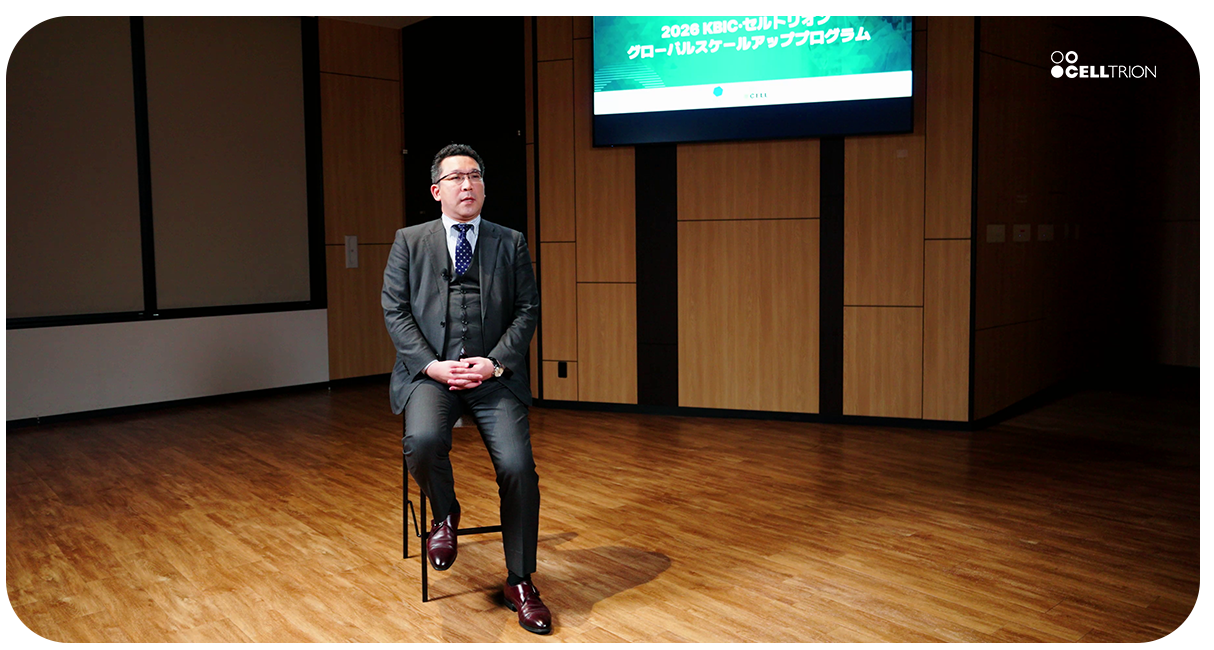
Leveraging Celltrion’s 20 Years of Experience and Global Network
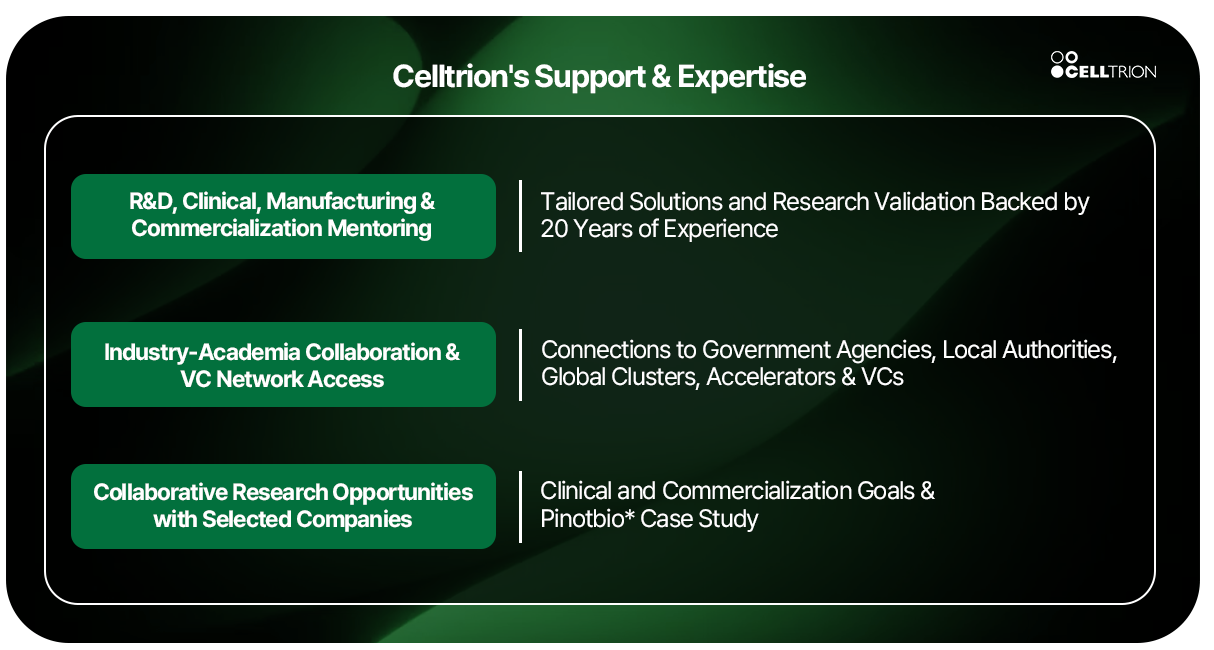
*An ADC platform company that has advanced to the global clinical stage through collaborative research with Celltrion
Drawing on more than two decades of experience and expertise, Celltrion plans to provide startups with practical, hands-on support.
✅ Tailored R&D Solutions and Research Validation
Celltrion’s R&D mentors draw on their experience across biopharmaceutical R&D, clinical development, regulatory approval, manufacturing, and commercialization to provide tailored, hands-on solutions that help startups advance their technologies.
✅ Access to Global Infrastructure and Networks
Startups gain access to Celltrion’s extensive network of government agencies and local authorities, industry partners, global biotech clusters, academic and industry collaboration organizations, accelerators (ACs), and venture capital firms (VCs), opening up valuable connections and resources to support their growth.
✅ Collaborative Research and Commercialization Opportunities
One notable success story is PINOTBIO, a biotech company developing an antibody-drug conjugate (ADC) linker and payload platform. Through technology advancement and collaborative research with Celltrion, PINOTBIO has successfully progressed to the global clinical development stage. Celltrion aims to build on this proven model and create similar success stories with promising biotech startups in Japan.
KBIC Support: Connecting Each Startup with the Right Experts
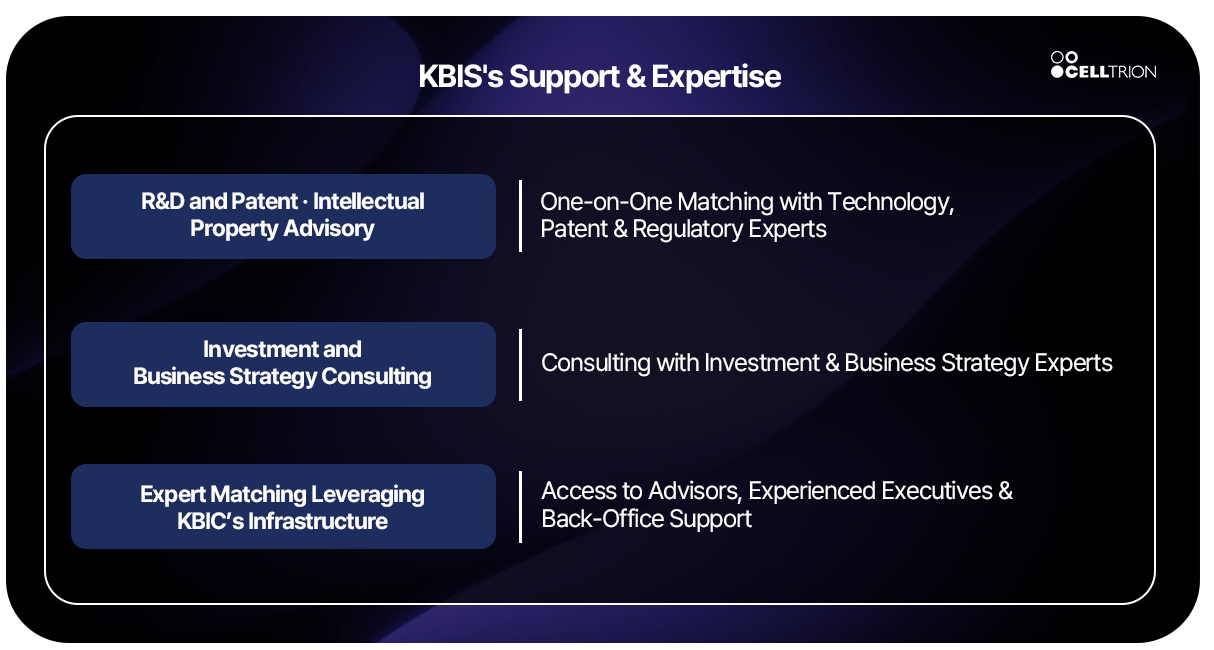
KBIC, through its operating organization, the Foundation for Biomedical Research and Innovation at Kobe (FBRI), also connects startups with specialized resources tailored to their individual needs.
Leveraging the infrastructure of Japan’s largest biomedical cluster, FBRI matches each startup one-on-one with experts in areas such as R&D, patents and intellectual property, pharmaceutical regulations, investment, and business strategy, providing hands-on consulting tailored to the specific challenges they face. The program is also exploring ways to connect participating startups with FBRI’s existing support programs, including life science advisors, management talent matching, and back-office support.
By combining Celltrion’s commercialization expertise with FBRI’s network of specialists across diverse fields, the program introduces a new support model unlike any previously seen in Japan’s pharmaceutical and biotech sector, generating with the potential to make a meaningful impact.
Advancing Korea–Japan Open Innovation
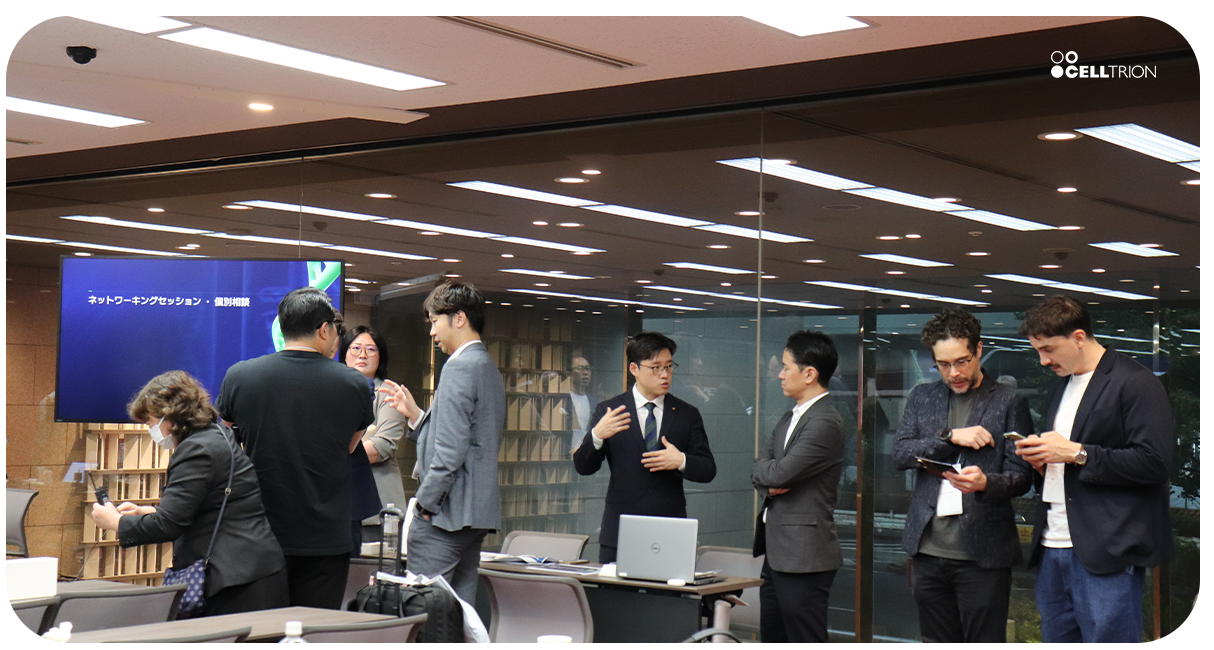
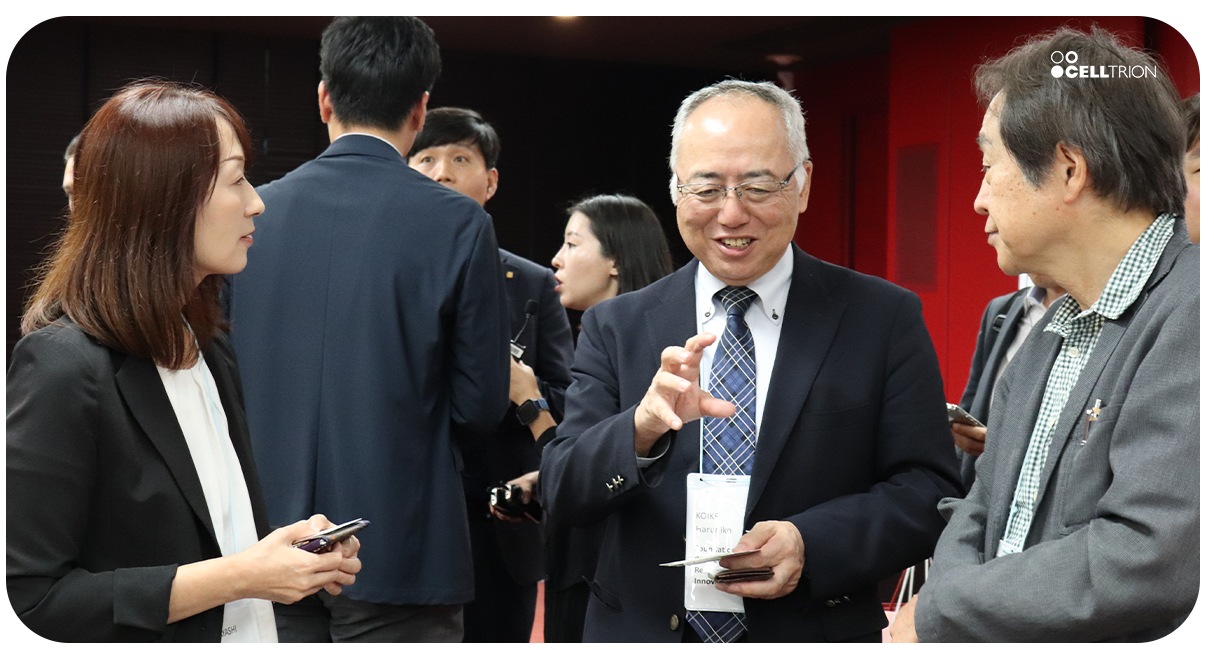
This program represents the culmination of Celltrion’s open innovation efforts in Japan since 2023.
Celltrion has been involved in the Kansai Life Science Accelerator Program (KLSAP), operated by KBIC, since its planning stage, while leveraging its base office in Kobe to explore opportunities for Korean startups to enter the Japanese market. Over the past three years, the company has also worked to build connections across Japan’s pharmaceutical and biotech ecosystem through LINK-J and collaborated with the Japan External Trade Organization (JETRO) on initiatives connecting startups with new opportunities. These efforts have now culminated in the first Korea–Japan public-private open innovation program jointly developed by a Korean company and a Japanese biomedical cluster.
Looking ahead, Celltrion plans to bring together the complementary strengths of Korea and Japan to build a sustainable open innovation ecosystem where emerging companies with innovative technologies can grow and thrive.
📌 Global Scale-Up Program Q&A
Q1. What types of startups are eligible to participate?
A1. The program is open to biotech startups across Japan whose technologies align with Celltrion’s areas of interest, with a particular focus on antibodies, peptides, small molecules, and anti-aging technologies.
Q2. How will startups be selected?
A2. Applications will be accepted from September through December 2026, followed by document screening and pitch evaluations from January to March 2027. Two startups will be selected as finalists in March.
Q3. What support will selected startups receive?
A3. Throughout 2027, selected startups will receive R&D mentoring from Celltrion, access to its network, and opportunities for collaborative research, alongside specialized consulting from FBRI’s network of experts.
The program will also provide opportunities to connect with potential investors through one-on-one meetings with Korean investment firms, demo days, and other networking activities.
In this article, we explored the background and key areas of support behind the 2026 KBIC–Celltrion Global Scale-Up Program, the first Korea–Japan public-private open innovation program jointly developed by a Korean company and a Japanese biomedical cluster.
By combining scientific excellence with the speed and expertise needed to bring innovation to market, Celltrion is helping open a new chapter for the life sciences industry in Korea and Japan.