Celltrion Acquires French Healthcare Company Gifrer to Strengthen Its Position in Europe
2026.07.03
Last May, Celltrion announced the acquisition of Gifrer, a French healthcare company. The move goes beyond expanding the company’s footprint in France. It reflects a strategic response to evolving healthcare policies and the growing role of biosimilar substitution in the country.
| How France's Biosimilar Substitution Policy Is Reshaping the Pharmaceutical Market
Across Europe, and particularly in France, the pharmaceutical market is undergoing a significant transformation driven by the continued expansion of biosimilar substitution policies.
Understanding Biosimilar Substitution
Substitution allows pharmacists to independently dispense a medicine with the same International Nonproprietary Name (INN) as the one prescribed by a physician.
Historically, physicians held exclusive prescribing authority, which made hospital-focused commercial strategies the primary route to market. However, as healthcare expenditure continues to rise, the French government has increasingly embraced substitution policies to improve the sustainability of the healthcare system. Following the introduction of generic substitution in 2012, France introduced biosimilar substitution in 2022 and has since steadily expanded the list of eligible products. The policy has evolved as follows:
- 2022: Pharmacy-level substitution introduced for selected biosimilars, including filgrastim and pegfilgrastim.
- 2025: Adalimumab, one of the world's leading blockbuster biologics for autoimmune diseases, became eligible for pharmacy substitution.
2026: Additional products, including denosumab for osteoporosis, are expected to become eligible for substitution.
As a result, the French pharmaceutical market is shifting beyond a hospital tender-driven model. Competitive advantage increasingly depends on establishing a strong presence within community pharmacy networks—the healthcare channel closest to patients.
France is now at the forefront of a broader European shift toward biosimilar substitution. As similar policies gain momentum across the region, pharmaceutical companies will need to strengthen their commercial capabilities and partnerships within retail pharmacy networks to remain competitive.
| Building a Network of 9,000 Pharmacies: The Strategic Value of the Gifrer Acquisition
Against this backdrop, Celltrion's acquisition of Gifrer reflects a strategic move to strengthen its presence in the French pharmaceutical market. Founded in 1912, Gifrer is a well-established French healthcare company with more than a century of history and a strong reputation in the local market.
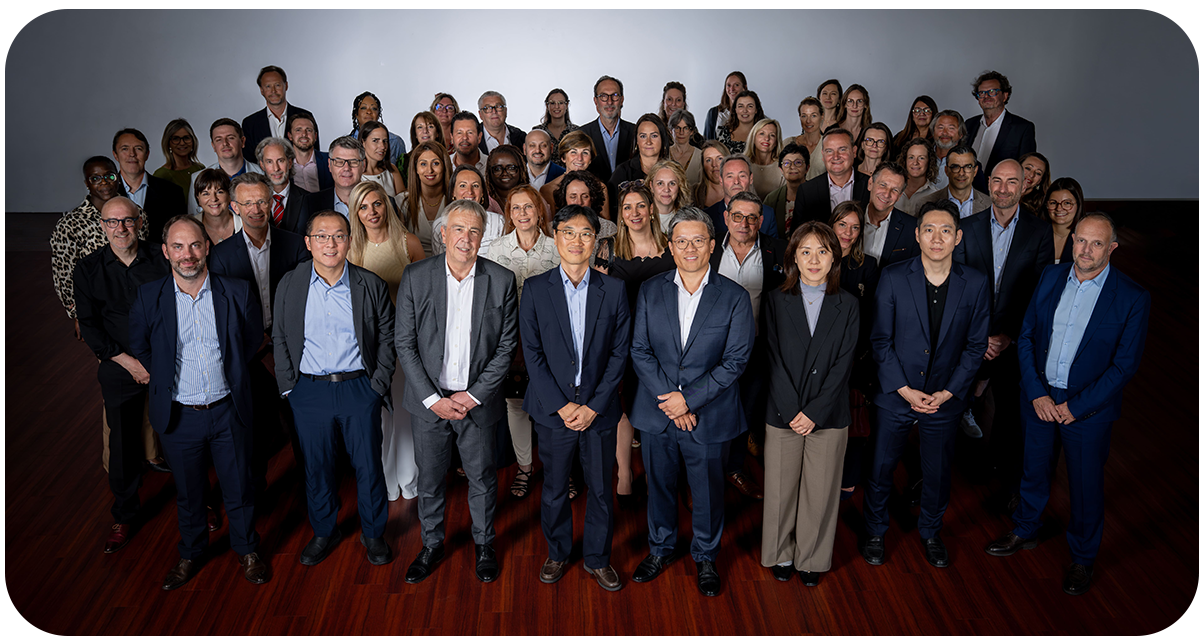
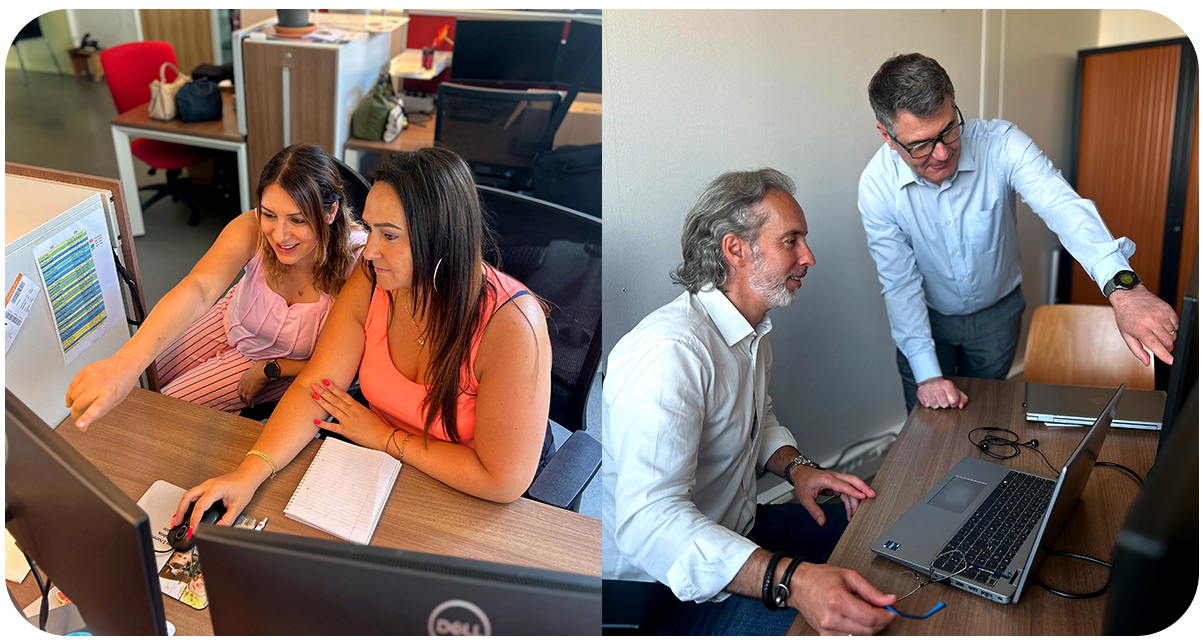
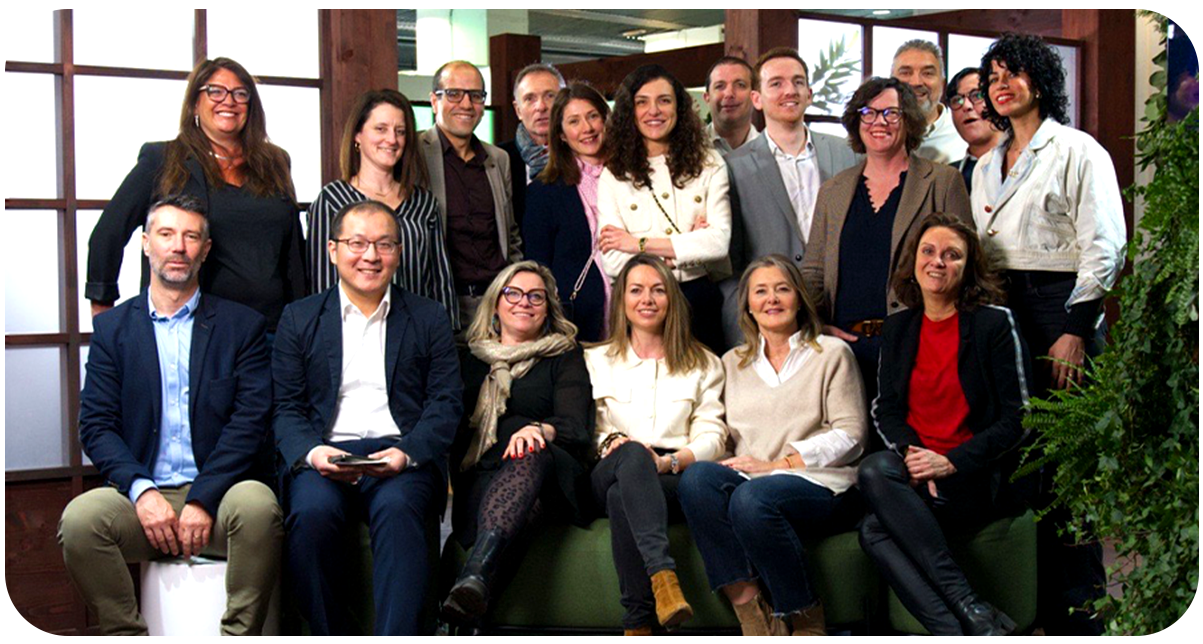
▲ Celltrion and Gifrer employees
Gifrer has built a commercial network spanning approximately 9,000 community pharmacies across France—representing nearly half of all pharmacies in the country—as well as a robust supply network serving more than 800 hospitals.
Among French consumers, Gifrer is widely recognized and trusted for its everyday healthcare products, including its flagship saline solution, as well as oral care, baby care, and other consumer health products.
By leveraging Gifrer's extensive pharmacy network and strong local relationships, Celltrion aims to accelerate the adoption of its biosimilar portfolio in the French market.
| Three Strategic Benefits of the Gifrer Acquisition
The acquisition is expected to generate long-term value through a range of strategic and commercial benefits.
- Strengthening Revenue Through a Diversified Product Portfolio
By adding Gifrer's portfolio of more than 140 over-the-counter (OTC) medicines and consumer health products, Celltrion expects to generate more than KRW 250 billion in additional revenue over the next five years.
- Diversifying the Business Portfolio
The acquisition expands Celltrion's business beyond specialty biologics into OTC medicines and generic pharmaceuticals, helping create a more diversified and resilient business model.
- Creating Cross-Selling Opportunities Across Europe
Celltrion plans to use its direct sales operations across five major European markets—including France, Germany, and the UK—to expand the reach of Gifrer's products. The company is also exploring additional opportunities to introduce Gifrer's key brands to customers across Europe.
| Insights from the Leaders Behind the Gifrer Acquisition
To learn more about the strategy behind the acquisition and Celltrion's vision for the future, we spoke with Dong Sik Kim, Head of RHQ2, Celltrion Europe Division, and Dong Kyu Kim, Head of Celltrion France, who played key roles in the acquisition.
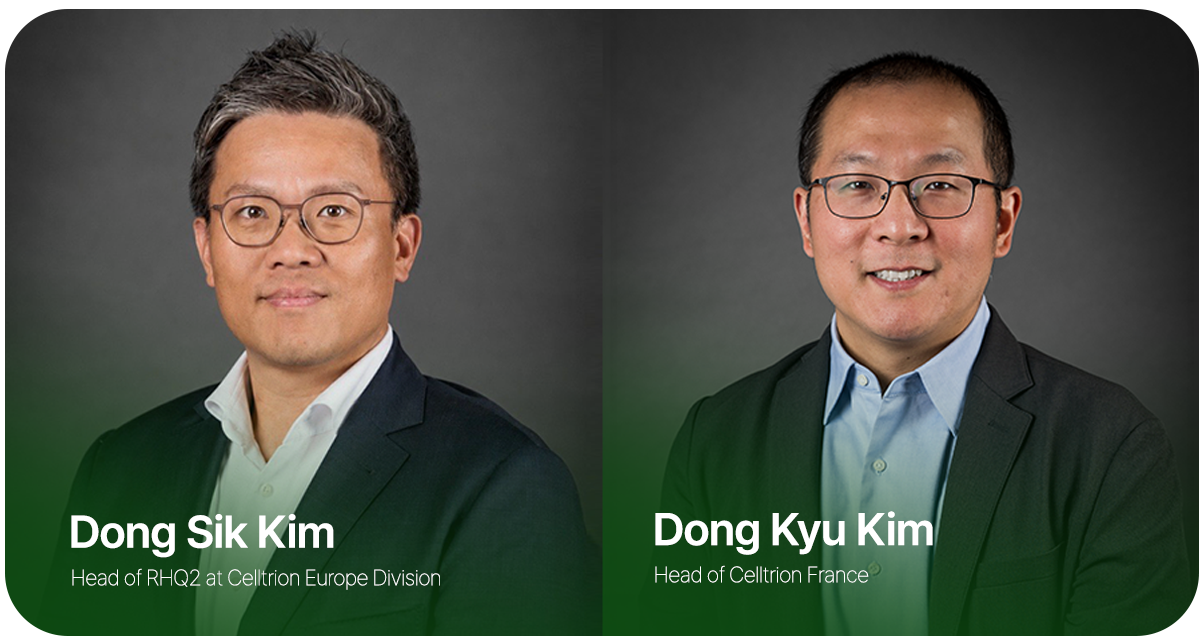
Q. Could you briefly introduce yourselves?
Dong Sik Kim:
I am responsible for RHQ2 within Celltrion’s European Headquarters, overseeing key markets including France, the United Kingdom, and Ireland.
Dong Kyu Kim:
I serve as Country Manager of Celltrion France under RHQ2 within Celltrion’s European Headquarters.
Q. What is driving the French government’s expansion of the biosimilar substitution policy?
Dong Kyu Kim:
According to IQVIA’s 2025 France Biosimilar Report, biosimilars generated approximately €5.1 billion in savings for the French healthcare system between 2010 and 2023.
However, the government recognized that even greater savings could have been achieved. One of the main challenges was that pharmacists were unable to substitute lower-cost biosimilars when physicians prescribed originator biologics. As a result, more expensive reference products continued to be widely used, despite the availability of clinically equivalent and more cost-effective alternatives.
A good example is adalimumab, a treatment used for conditions such as rheumatoid arthritis. Even five years after biosimilars entered the market, their market share remained below 50%, limiting the potential healthcare savings.

To address this issue, France introduced a pharmacy-level biosimilar substitution framework in 2022. Under this policy, pharmacists are allowed to dispense approved biosimilars in place of prescribed originator products, provided they meet the required substitution criteria.
The scope of the policy continues to expand, with the goal of increasing biosimilar adoption while improving the efficiency and sustainability of both healthcare spending and public finances.
Q. Could you tell us more about Gifrer, the company Celltrion recently acquired?
Dong Sik Kim:
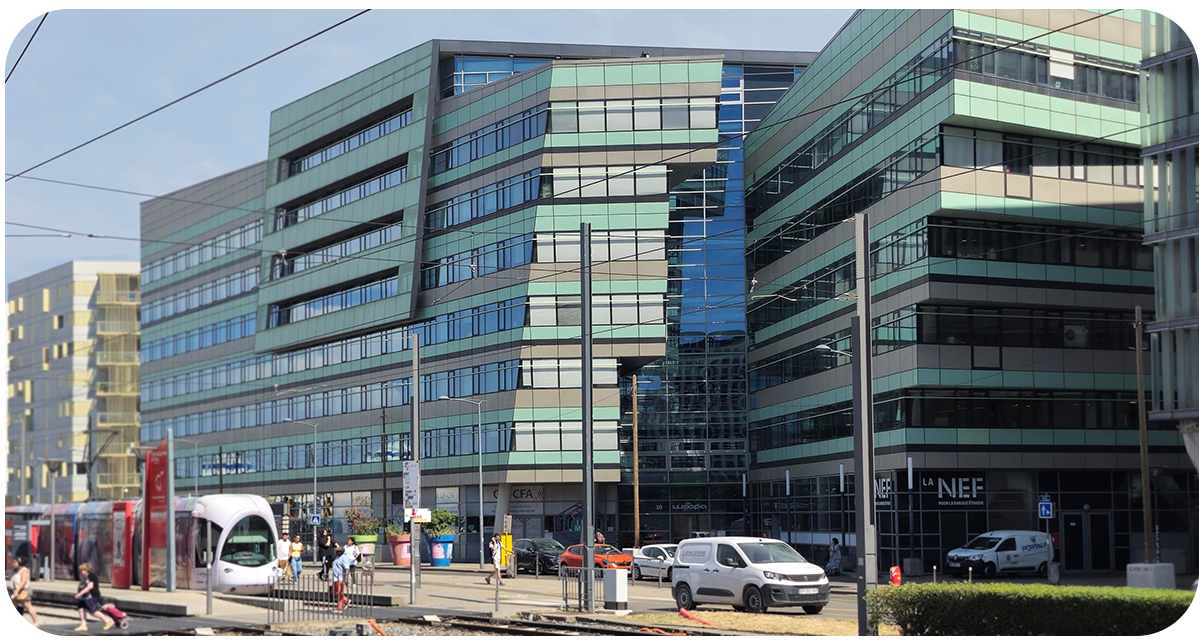
Gifrer is a pharmaceutical company founded in 1912 and headquartered in the Lyon region of France. With more than a century of history, it is one of the country’s most established healthcare brands.
The company is particularly well known for its over-the-counter (OTC) products serving families, infants, and women’s healthcare needs. In France, Gifrer enjoys exceptionally strong brand recognition and consumer trust. For many French consumers, Gifrer products have been a familiar presence in households for generations.
Q. During the acquisition process, what were the key factors you focused on, and how did you work to maximize synergies between the two companies?
Dong Sik Kim:
We anticipated that the expansion of biosimilar substitution in France would gradually shift the market from a hospital-centered prescribing model toward a pharmacy-driven environment, especially for self-administered treatments. Recognizing this trend, Celltrion began exploring the acquisition of Gifrer nearly three years ago as part of our strategy to strengthen our presence in the pharmacy channel.
Our top priority was to verify whether Gifrer still maintained a strong competitive position within the pharmacy market. Although the company had faced financial challenges following the COVID-19 pandemic, we went beyond financial due diligence. We spoke directly with industry stakeholders and pharmacy customers to assess the company’s reputation, brand equity, and commercial capabilities.
Through that process, we confirmed that Gifrer continued to enjoy strong trust among pharmacists and maintained a highly valuable distribution network. We believed that combining these strengths with Celltrion’s biosimilar portfolio could create significant synergies.
Q. Gifrer’s network of 9,000 pharmacies is considered a major asset. How do you plan to leverage this network to establish Celltrion’s products in the French market?
Dong Kyu Kim:
To put its scale into perspective, France has approximately 19,000 pharmacies nationwide. Gifrer’s relationships with nearly half of them represent an exceptionally valuable asset.
The ongoing expansion of biosimilar substitution in France is also changing the decision-making process. The choice of which biosimilar brand to dispense is increasingly shifting from physicians to pharmacists. In that environment, Gifrer’s extensive pharmacy network and strong brand recognition can play a pivotal role in helping Celltrion secure an early leadership position.
At Celltrion France, we are pursuing a tailored two-track commercial strategy based on product characteristics and distribution channels. For physician-prescribed products, we will continue strengthening our engagement with healthcare professionals and medical institutions to expand our market presence. For tender-based products, we intend to build on Celltrion’s proven strengths in quality and cost competitiveness to maintain strong performance.
At the same time, the acquisition provides us with access to a powerful retail pharmacy channel. By leveraging Gifrer’s brand equity and customer relationships, we believe we can establish a significant competitive advantage. This multi-channel approach will enable us to maximize our commercial capabilities and accelerate growth in the French market.
Q. Celltrion expects the acquisition of Gifrer’s OTC portfolio to generate more than KRW 250 billion in additional revenue over the next five years. How do you plan to expand through cross-selling opportunities across the EU5 markets?
Dong Sik Kim:
Gifrer already has extensive export experience not only across Europe but also in Asia, Latin America, and the Middle East and North Africa.
That said, our approach to cross-selling in the EU5 markets will be gradual and carefully tailored to each country. OTC and consumer healthcare products are heavily influenced by local pharmacy structures, consumer purchasing behaviors, brand awareness, and pricing dynamics, all of which vary significantly from market to market.
Our immediate priority is to further strengthen Gifrer’s position in France by demonstrating both product quality and commercial competitiveness. Once we establish a successful track record in its home market, we will evaluate opportunities to expand into other European countries.
At the same time, we will continue enhancing our product portfolio and developing localized go-to-market strategies to ensure Gifrer’s brands can become products that consumers actively seek out. Ultimately, our goal is to broaden our growth platform across Europe.
Q. This acquisition is expected to have a significant impact on Celltrion’s global commercial strategy. As a final question, what goals do you hope to achieve in France going forward?
Dong Sik Kim:
One of my primary goals is to help Gifrer’s products and brand heritage gain recognition well beyond France, reaching patients and consumers in Korea and other international markets. Gifrer has built a remarkable level of trust among French families over many decades, and I believe that legacy can become an important part of Celltrion’s global growth story.
Another aspiration is to explore opportunities with Celltrion Skincure, one of our group affiliates, and further expand the potential of K-beauty in France. Interest in Korean beauty products continues to grow rapidly across Europe, particularly in France. Given the quality and competitiveness of Celltrion Skincure’s portfolio, I believe our local expertise and network can help create meaningful synergies and unlock new opportunities in the French beauty market.
Dong Kyu Kim:
Until now, Celltrion France has primarily focused on hospitals and healthcare professionals, building strong awareness and credibility within the medical community. Before the Gifrer acquisition, however, the pharmacy channel was relatively unfamiliar territory for us, and Celltrion’s brand recognition among pharmacists was still limited.
We see this acquisition as a turning point. Our ambition is to make Celltrion a name that pharmacists trust just as much as healthcare professionals do today. We will work tirelessly to build that trust across France’s 19,000 pharmacies and establish Celltrion as a recognized and respected partner throughout the healthcare ecosystem.
As Europe’s healthcare landscape continues to evolve, Celltrion is positioning itself to capitalize on emerging opportunities through a combination of direct-sales expertise and strategic local partnerships.
The acquisition of Gifrer marks an important step in that journey, providing the company with a stronger presence in the pharmacy channel and a platform for future expansion.
With regulatory changes creating new pathways for biosimilar adoption, Celltrion is looking beyond short-term growth and toward building a more competitive and sustainable business across Europe.